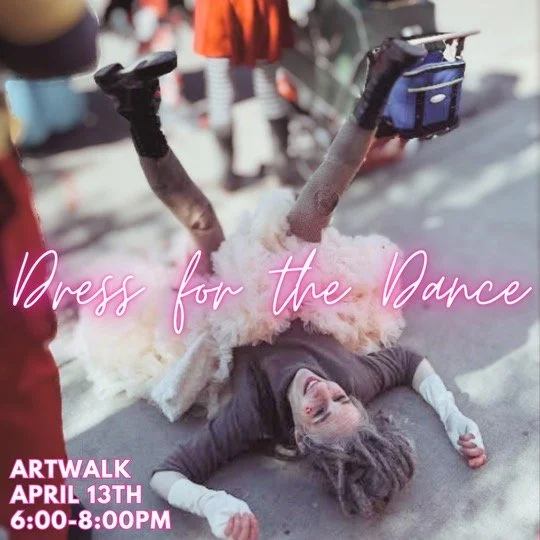
Dress for the Dance: A Community Animates Our Past
For people who love history, upon viewing a preserved garment, there is a universal thought: “I wonder what it would be like to wear that.”
I am fascinated by historical textiles of all kinds. The quilt I recently purchased at the Salvation Army sits next to my stuffed library bag. It can be read just like the books, but with the language of thread. A line of wobbly stitches makes me imagine the sewer constantly interrupted by a room full of kids, or one grumpy cat. The few silk pieces among flour sack fabric; was this the last bit of a treasured ball gown that hasn’t fit in years?
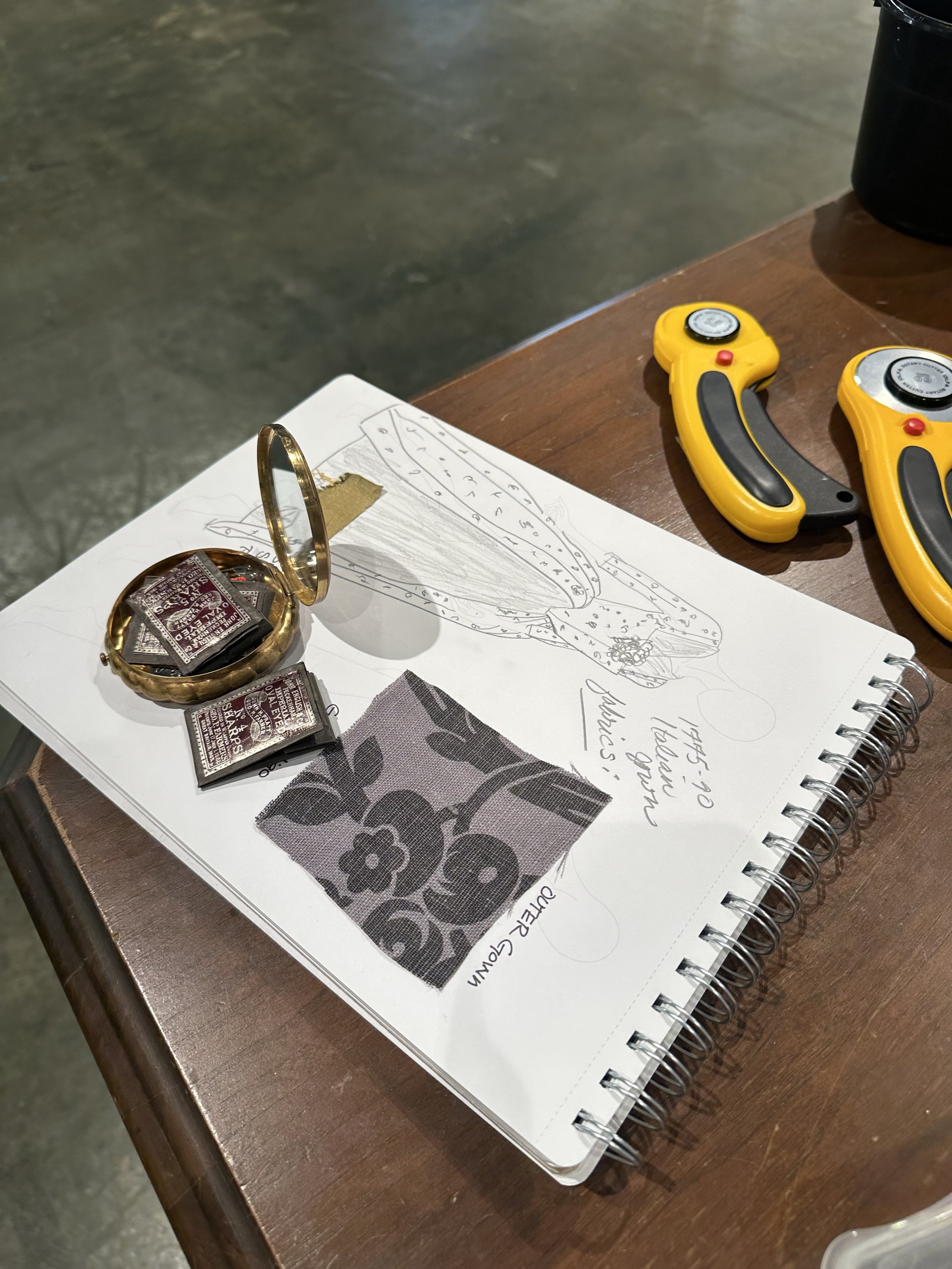
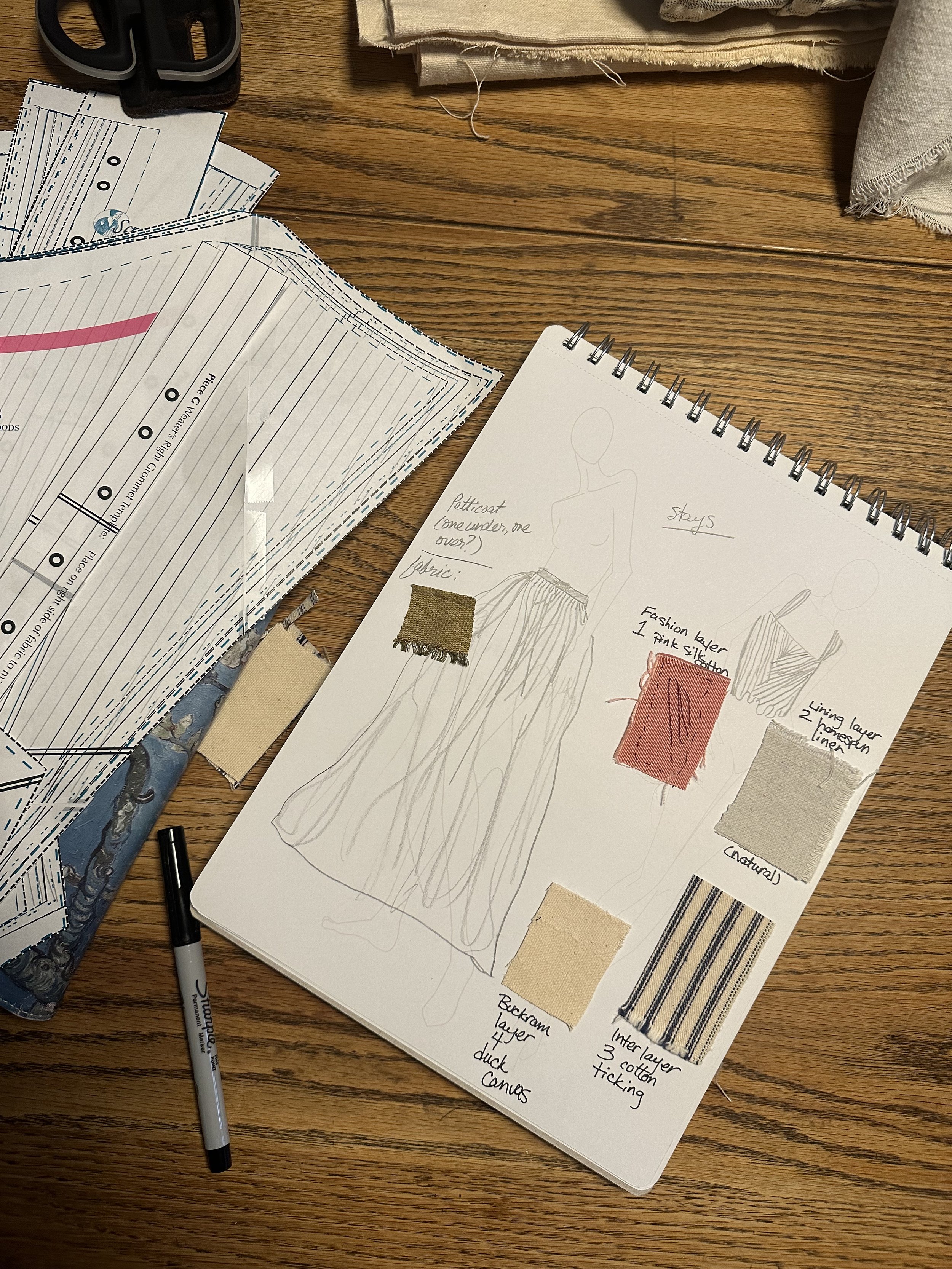
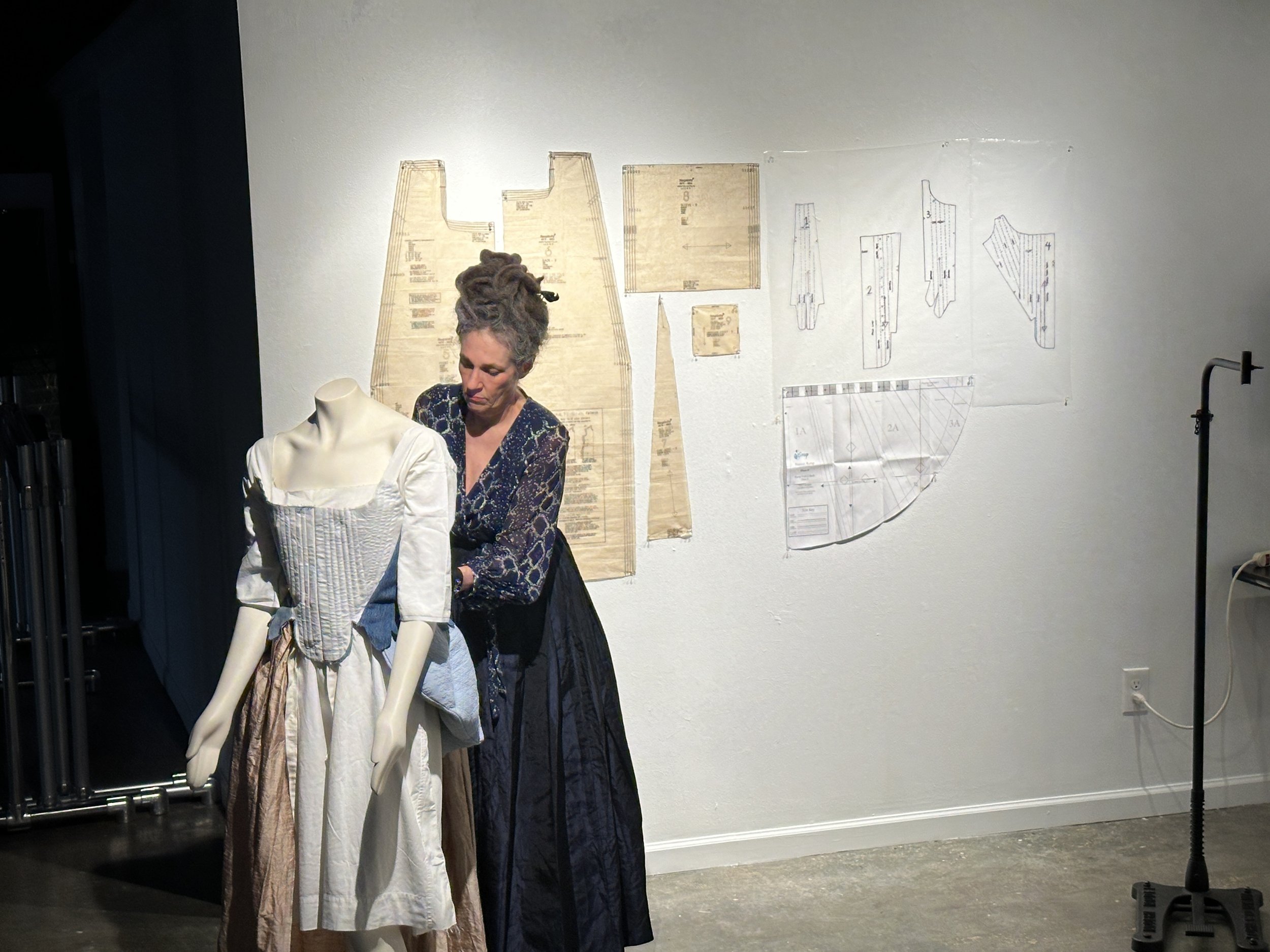
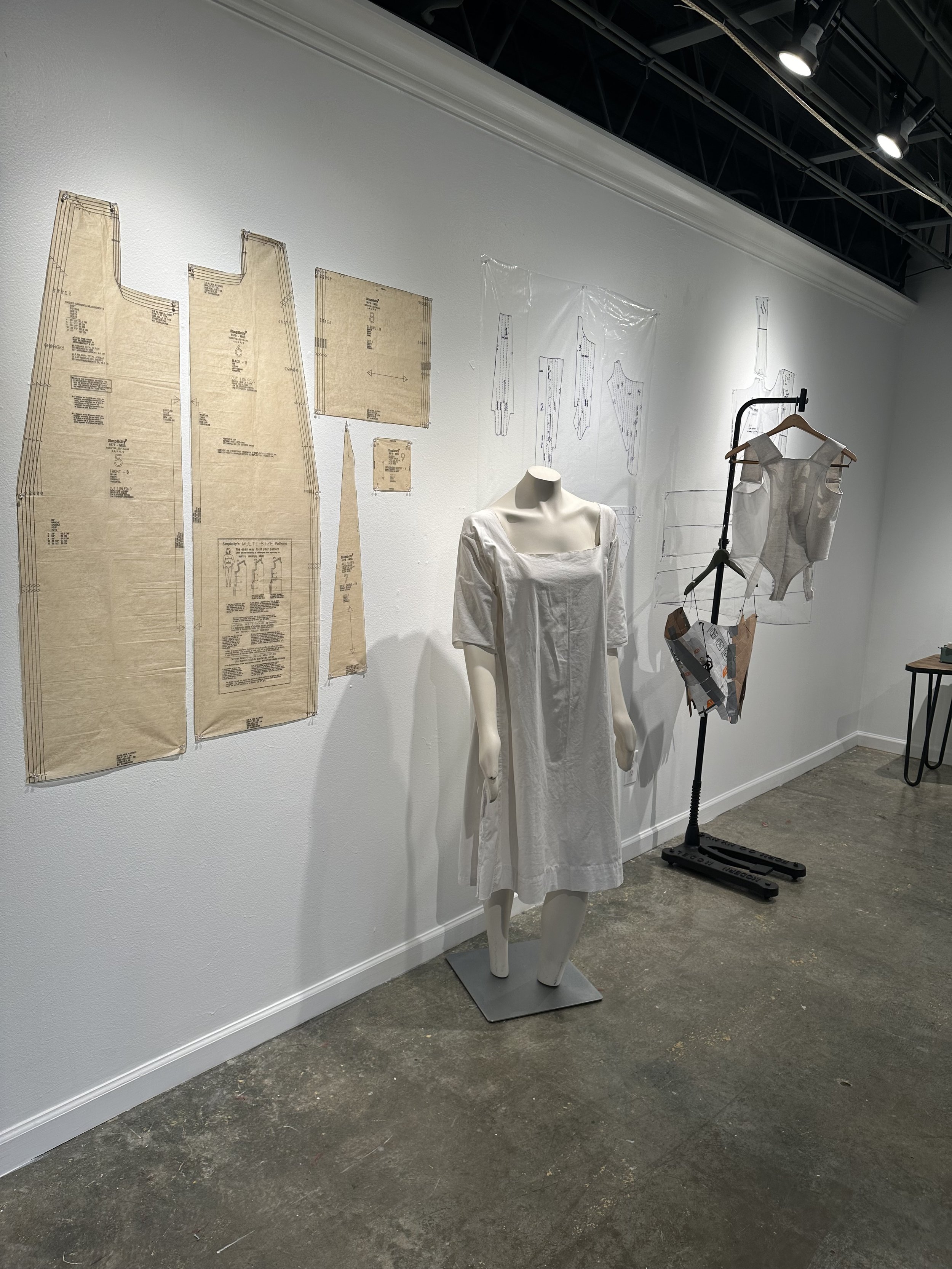
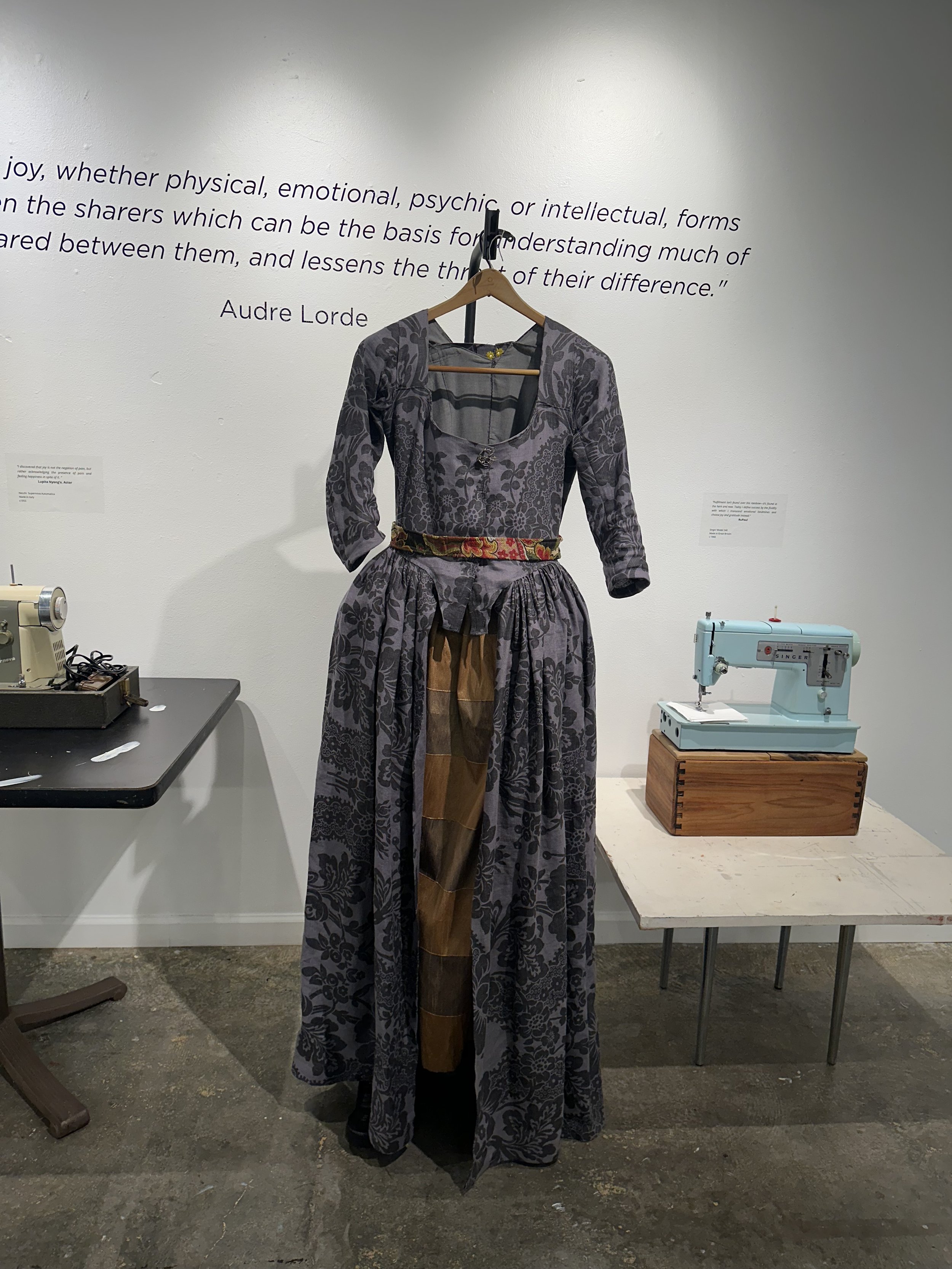
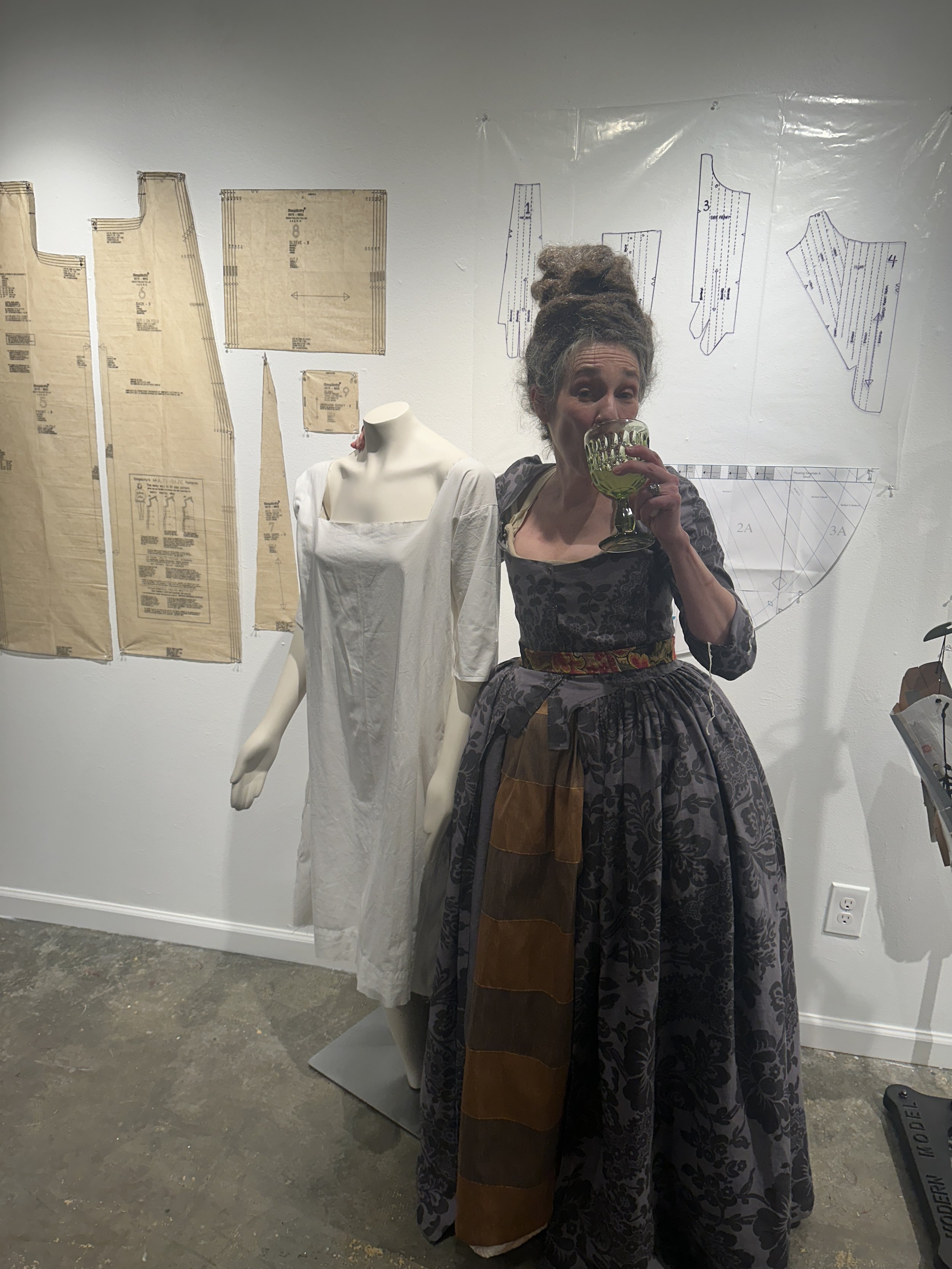
My idea for Dress for the Dance: A Community Animates Our Past, had its igniting spark in a project I completed as a pattern tester. The team responsible for the period clothing used daily by Colonial Williamsburg reenactors decided to create and sell patterns in the gift shops. Since there are no patterns for most historical clothing they had to make them from existing garments, some almost too delicate to handle. Most folks who wonder, myself included, will never be able to try on such clothing. Therefore, the prospect of making a whole wrapping gown by hand using period fabric, thread, and techniques was thrilling. The actual sewing of it was meditative, soft, and slow.
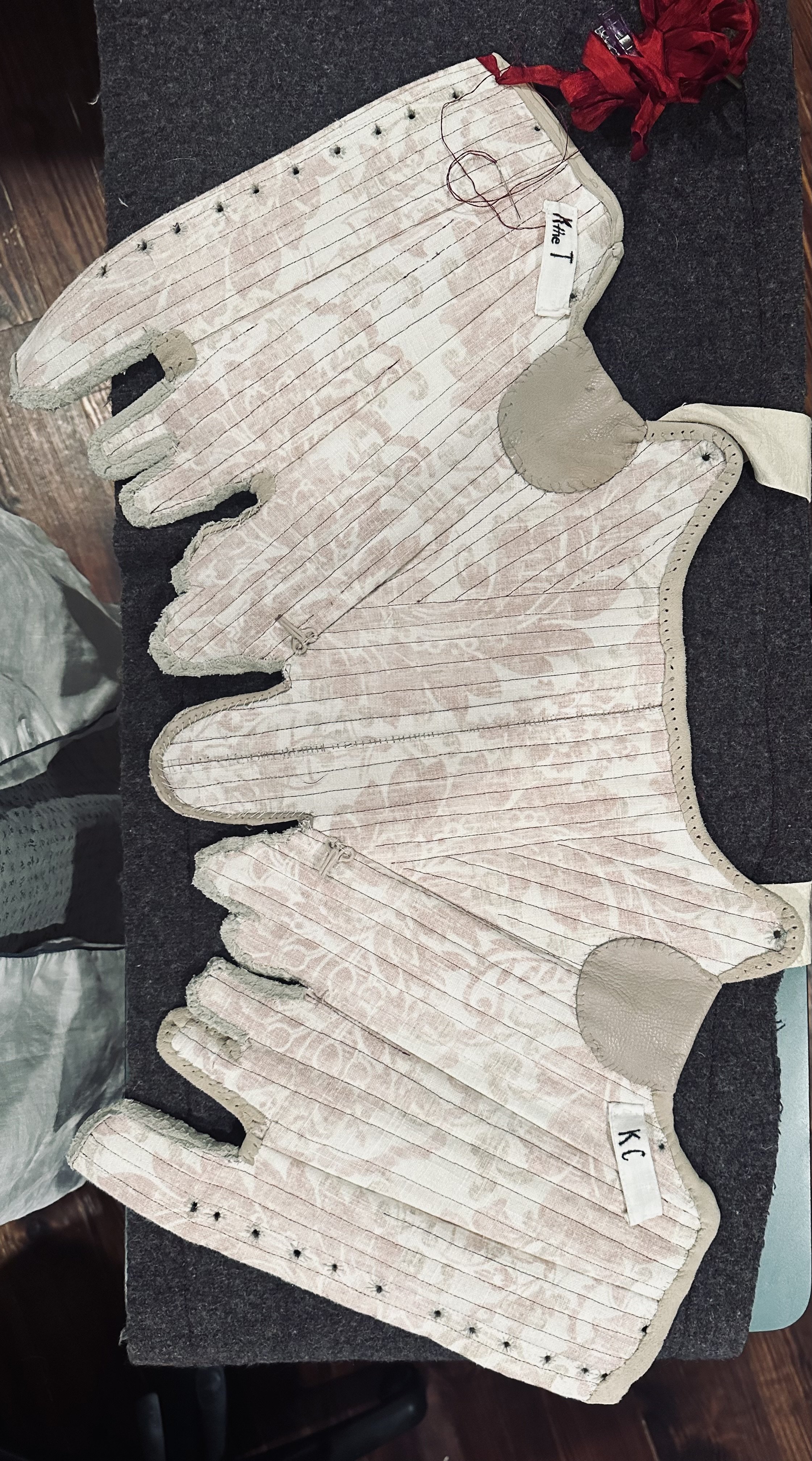
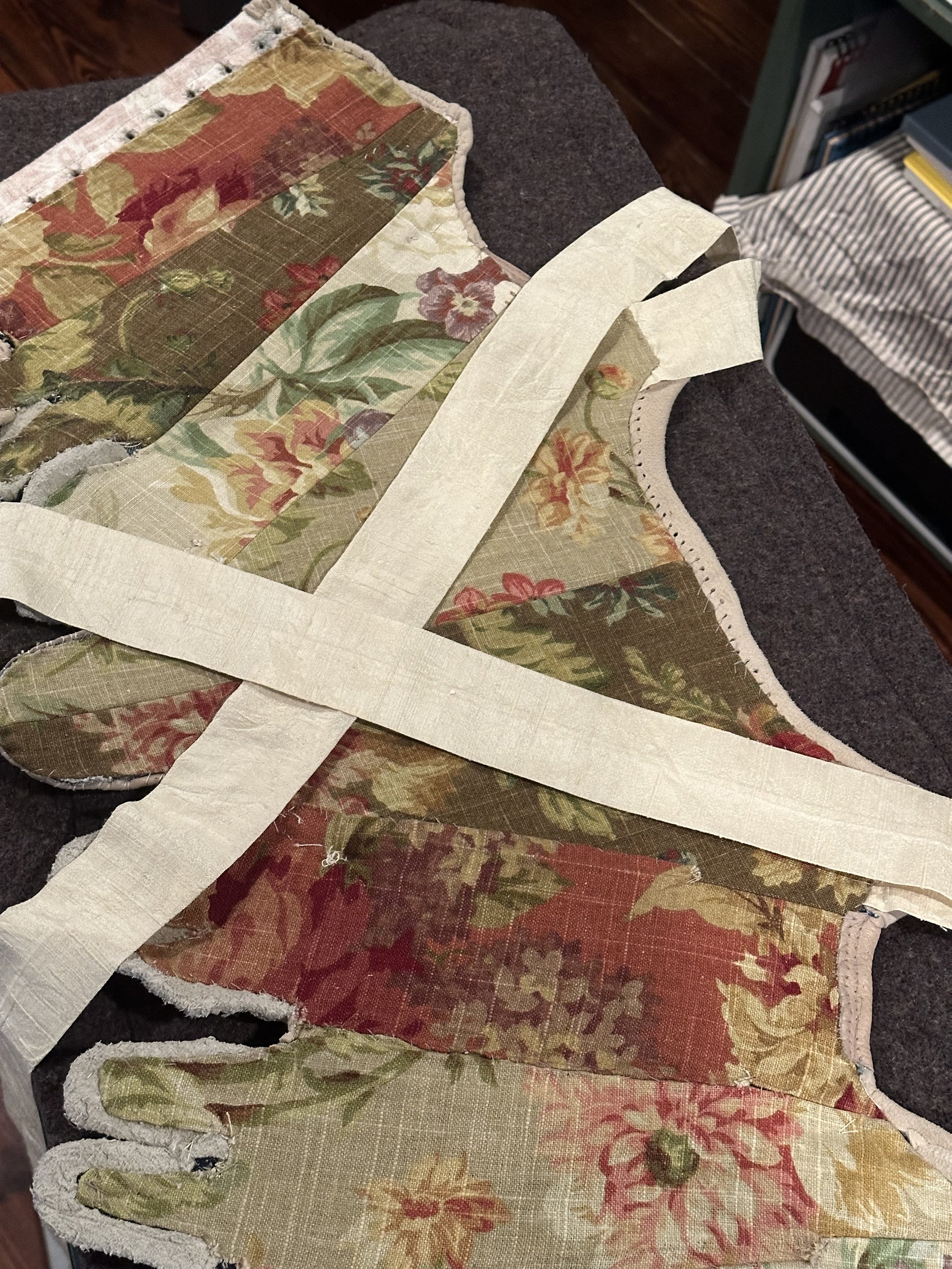
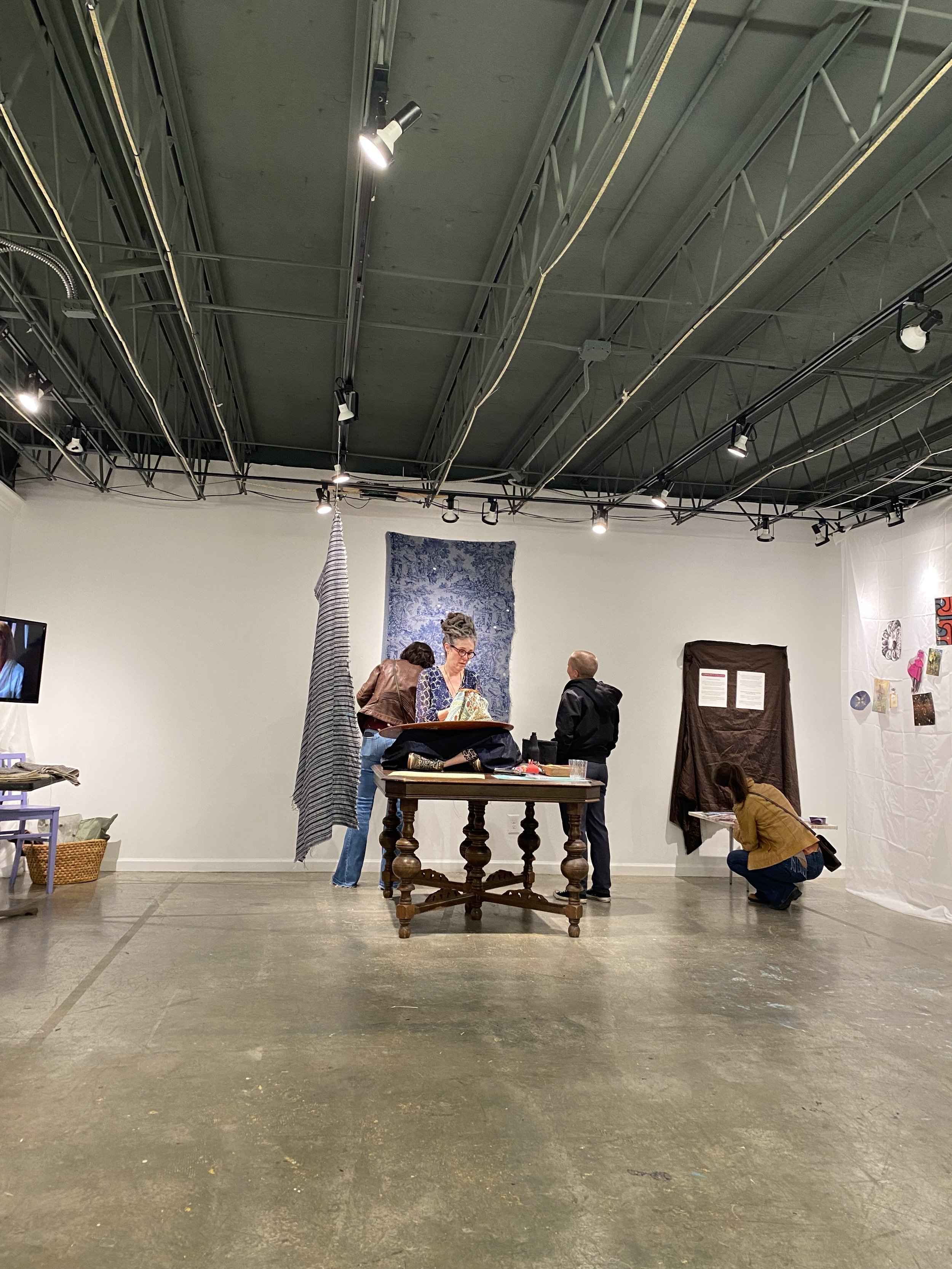
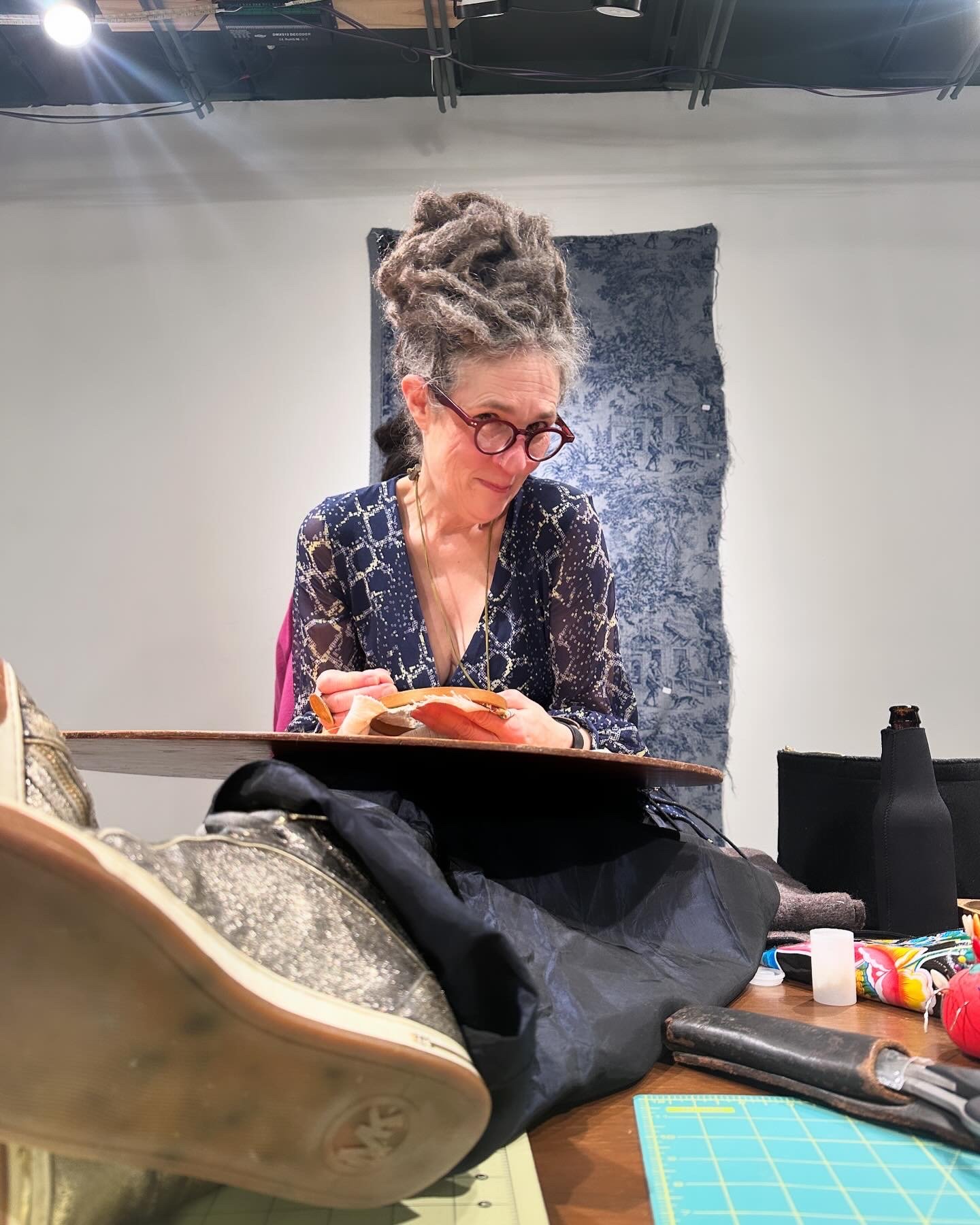
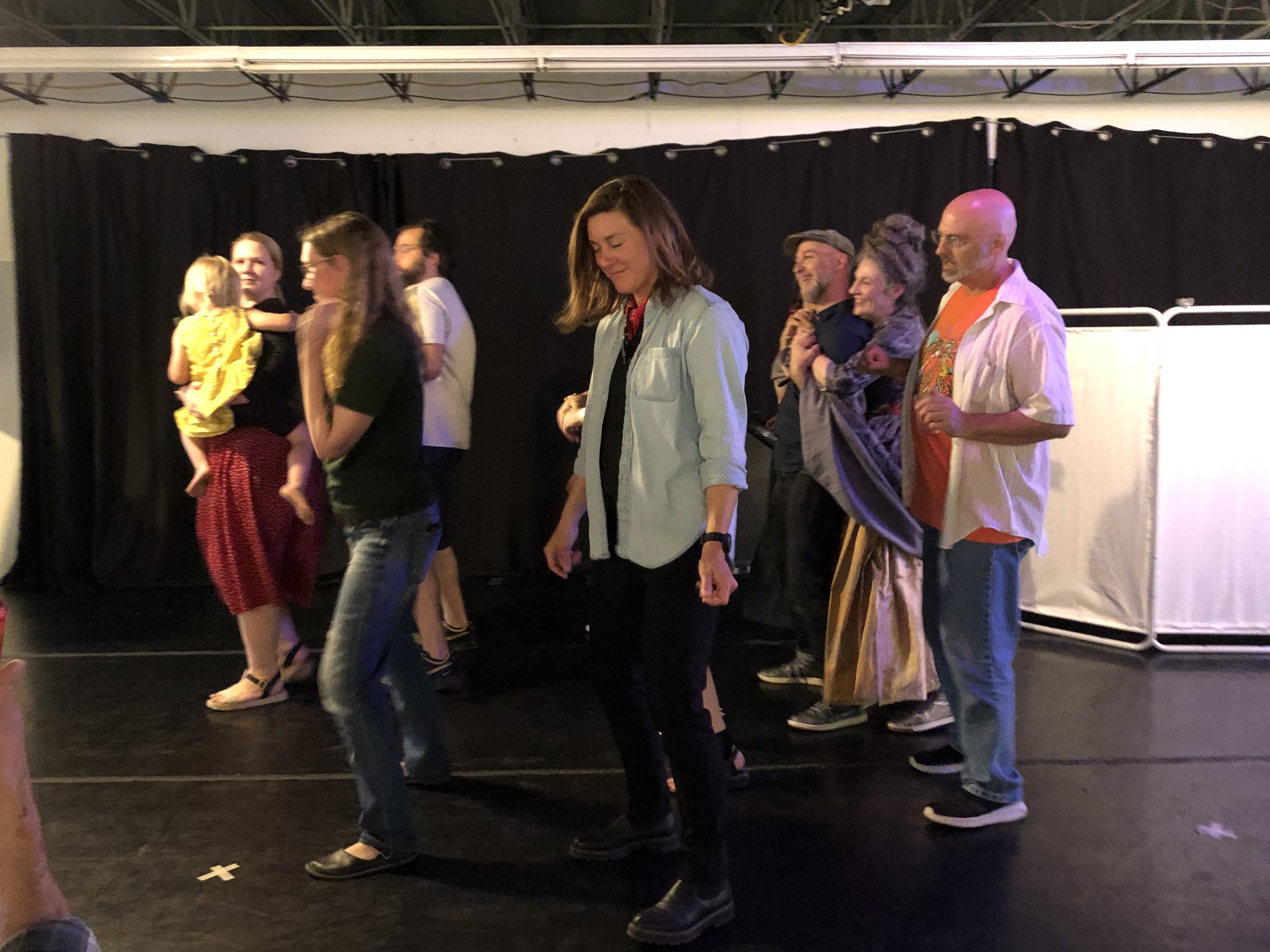
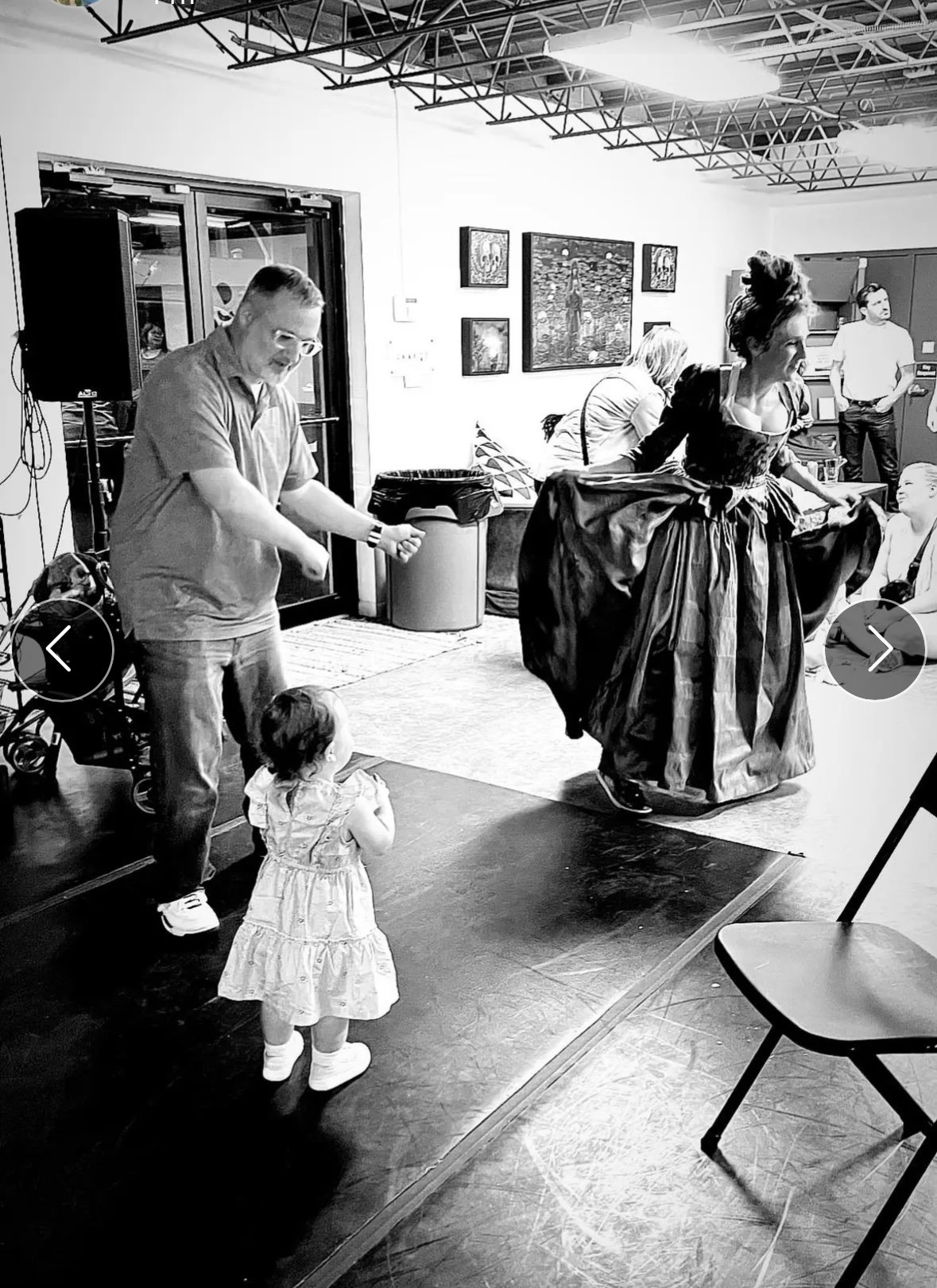
I made a typical 18th century dress, complete with historically accurate undergarments to publicly dance in and watch it move in real time. Because the undertaking is quite complex, I utilized the community in a sewing bee in the gallery space at Basin Arts, on my grandmother’s dining room table. Each person who spends time sewing at the table will use exactly matching thread to embroider their initials on the dress before leaving. The invisible letters will remind participants that they are a part of the garment, and of Louisiana in all of our wobbly stitches.